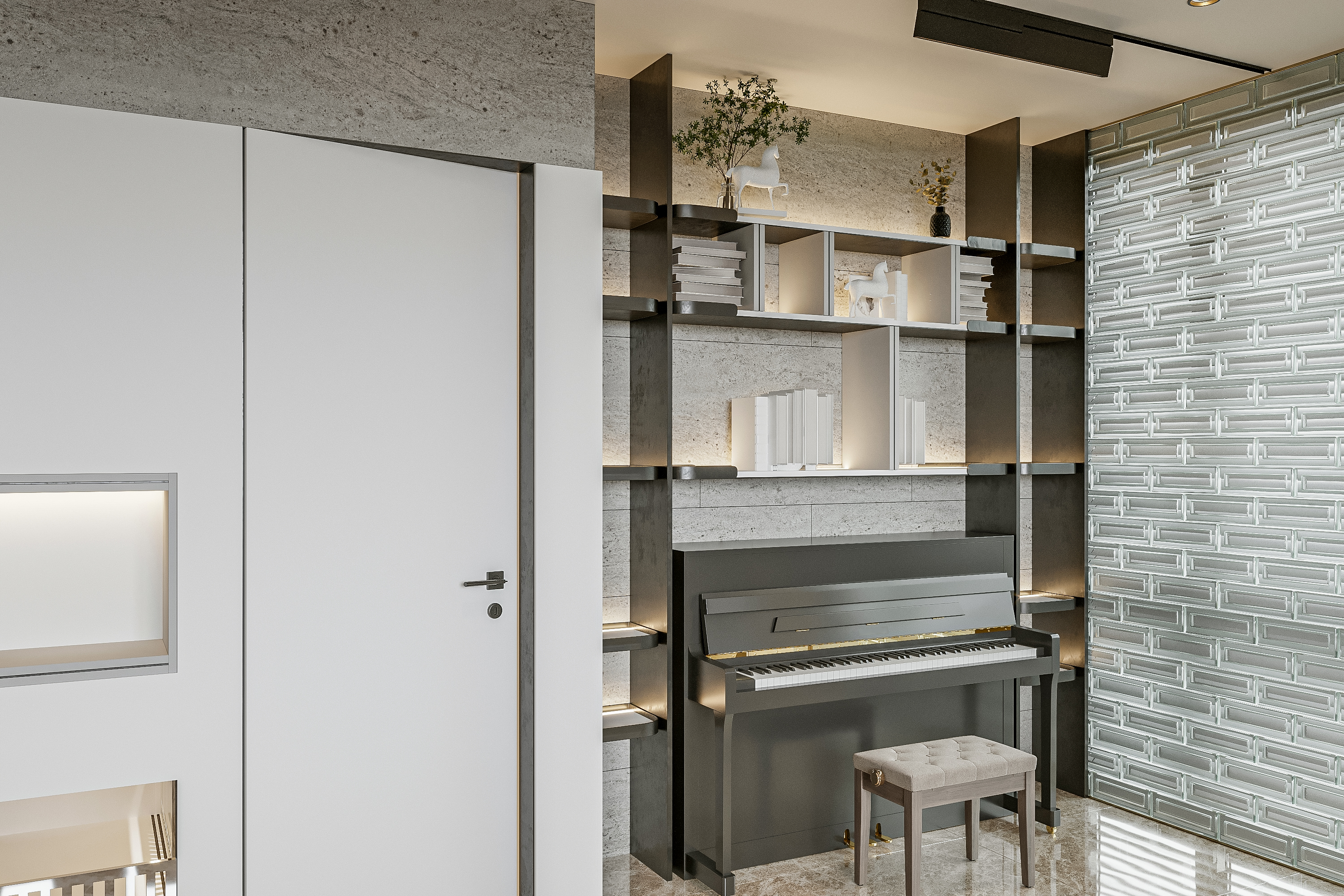
Designing a co-working space is not just about the looks but also about creating a space that impacts employees and optimizes their performance. It even enhances your brand ethics.
While assessing furniture needs, companies come across two main options, namely, modular and fixed office furniture. Though both have various benefits and come in multiple styles, the best choice depends on availability of space, growth, and nature of work.
This guide lets you compare the modular and fixed furniture for a co-working space.
Modern furniture is not just about movable furniture, but it is made to adjust to the suitable environment.
- Easy to reorganize or expand
- Lightweight and movable parts
- Designed keeping scalability in mind
- Minimum installation time
- Suitable for hybrid and collaborative workspaces
- Comes with built-in cable management and ergonomic features.
Fixed office furniture is generally suitable for traditional offices, law firms, financial institutions, and organizations that need privacy and stability rather than flexibility.
- It is permanently placed
- Known for durability and long-lasting properties
- Specifically customized according to space
- Good for privacy-based work systems
- Gives a highly corporate and structured atmosphere
- Reduced wear and tear of movement
Flexibility and Scalability:
Modular furniture is suitable for startups, renovated workspaces, hybrid workstations, etc. Teams can be scaled up or down without a complete redesign. Companies can be rearranged completely within a shorter time without any carpenters or electricians.
Whereas fixed furniture is suitable for businesses with fixed teams and defined divisions. After installation, the layout planning is permanent. You need carpentry, rewiring, or professionals to change the layout design. It is better for businesses that don't have frequent changes in the team.
Cost Effectiveness:
Modular furniture is less expensive than fixed furniture. Reorganizing or expanding costs you less. It saves you money due to reduced downtime.
Meanwhile, installation and customization charges for fixed furniture are high. These pieces don't need regular replacement. They are stable, give a luxurious feel, and have high value for decades. It is expensive to alter. If you have a business that is static in nature, then fixed furniture serves you better.
Aesthetics and Brand Impression:
Fixed furniture creates a sense of durability, making your space more authoritative and luxurious. This furniture is characterized by well-defined structures that define stability and strong professionalism. It better suits businesses with high brand values and a tradition of excellence.
Durability:
Modular furniture is prepared from lightweight materials and offers unparalleled flexibility for emerging workplaces. Though high-end modular pieces are innovative and built for durability, cheaper ones may lack the stability and require frequent replacement.
Fixed furniture is meant for durability. Its built-in structure makes it stable and long-lasting, as it is fixed to the place.
Space Utilization:
Modular office furniture is space-efficient. But there may be gaps in between if not arranged properly. This type of furniture is ideal for small offices with multifunctional and collaborative zones and also for suitable workspaces.
Fixed furniture gives optimum space utilization, as every inch is carefully designed as per the floor plan. In restricted spaces, fixed furniture is better suited.
Employee Comfort and Ergonomics:
Maintenance:
Modern furniture allows individual units to be replaced or repaired with less destruction. It even permits easy cleanliness, as it is not fixed permanently.
Since components of fixed furniture are built-in, it becomes difficult to repair. It needs professional labor and proper fabrication in case of damage repairs.
Privacy and Noise Control:
Modern furniture is suitable for offices with open-plan designs where communication is a must. You can have privacy screens, but they might not be so acoustic.
Fixed furniture provides the best acoustics and privacy. It is useful for spaces that can handle confidential tasks.
Modular furniture is better when your workspace needs frequent renovation. It is well-suited for hybrid offices that require high levels of flexibility, allowing you to easily create multipurpose areas or environments that promote collaboration over privacy. It is also the best choice for offices looking to minimize downtime during shifting. You can easily assemble the components, and hence, it is a perfect choice for companies with shorter lease periods or those that often need relocation. It ensures your office remains modern, elegant, and vibrant.
If your workspace prefers a stable and consistent layout and has a long-term lease period or has its own workspace, then fixed furniture is suitable. Fixed furniture is suitable for companies that value privacy and systematic workflow and that manage sensitive and confidential data. If you need a premium and aesthetic look and high durability, and if your office has a definite role with proper departments.
When it comes to designing your office space, one-size-fits-all doesn't hold good. The selection of furniture depends on various factors like the growth of your office, workflow, privacy requirements, and available space.
In today’s emerging coworking landscape, modern offices often adopt hybrid work culture. By supporting furniture that blends modular as well as traditional features, you can easily switch between various tasks.
Your selection needs to align with your main business goals. By selecting furniture that defines your unique culture, your workspace can remain future-proof, comfortable, and efficient for many years.